Medical research gives high school students the opportunity to investigate how diseases develop, how treatments work, and how scientific discoveries shape patient care. However, medical research programmes for high school students can vary considerably. Some offer hands-on laboratory training, while others focus on computational biology or independent research under academic supervision.
The right opportunity depends on a student’s scientific interests, previous experience, and preferred research approach. Those interested in developing new treatments may benefit from studying molecular biology or drug discovery. On the other hand, students drawn to medical technology could explore biomedical engineering or artificial intelligence.
This guide examines the main types of medical research opportunities for high school students and how to compare programmes. It also explores how CCIR Academy helps students investigate medical and biomedical questions through professor-led research and opportunities to pursue publication.
What Medical Research Opportunities Can High School Students Explore?
Medical research encompasses several disciplines, from molecular biology and neuroscience to public health and computational medicine. Understanding these fields can help you identify a research question that matches your interests.
Biomedical science and disease mechanisms
Biomedical research investigates the biological processes underlying human health and disease. Researchers study cellular mechanisms, genetic mutations, immune responses, and molecular pathways to understand why illnesses develop and how potential treatments might work.
For example, a student interested in cancer could investigate how changes in gene expression affect tumour development. Another might examine how immune cells recognise diseased tissue or how researchers use molecular techniques to develop new therapeutic approaches.
CCIR Academy offers research courses that explore these questions at a level suited to academically ambitious high school students. Its Cambridge Future Scholar Research Programme has included courses such as Molecular Building Plans for the Cell: How to Build Cellular Structures Using Biochemical Approaches, taught by a professor from Princeton University, and RNA Biology: Gene Regulation, RNA Engineering, and Therapeutic Technologies, taught by a professor from the University of Cambridge.
These courses introduce students to the scientific literature and research methods used in modern biomedical science. Depending on the course, students may investigate protein biochemistry, gene regulation, RNA technologies, or the applications of molecular biology in medicine.
Genetics, genomics, and drug discovery
Genetics and genomics research examines how genes influence biological processes and disease. These fields have become increasingly important in precision medicine, where researchers investigate how genetic differences can affect disease risk and treatment responses.
Drug discovery also draws on genetics, biochemistry, and computational methods. Researchers can use biological data to identify promising drug targets or investigate how particular compounds might interact with biological systems.
CCIR’s course catalogue includes Computational Genetics and Drug Discovery: Combatting Infectious Diseases, taught by a professor from the University of Cambridge. The course explores how genetic information and bioinformatics can help researchers understand infectious disease mechanisms at the gene and protein levels.
Students can also explore Computational Genetics: Data Science, Biology, and Medicine, taught by a professor from the University of Oxford. This course examines how computational and data science techniques can be applied to genomic information.
For students interested in the relationship between genetics and medical innovation, these courses offer a way to investigate questions that connect biological science with quantitative analysis. They also illustrate how research can contribute to the early stages of therapeutic development without requiring students to conduct clinical trials or handle experimental drugs.
Neuroscience and regenerative medicine
Neuroscience examines the structure and function of the brain and nervous system. Medical researchers investigate neurological conditions, neural development, brain injury, and potential approaches to repairing damaged tissue.
Regenerative medicine explores how biological processes and emerging technologies might restore the function of damaged cells, tissues, or organs. Gene therapy is one area of research that investigates how genetic material can be used to address particular biological problems.
CCIR’s Regenerative Neurobiology and Gene Therapy course, taught by a professor from the University of Cambridge, examines the cellular and molecular biology of the nervous system, with a focus on axon regeneration following injury.
Students explore how injury location and age-related changes can influence nerve regeneration. The course also introduces techniques used in neurobiology, including DNA manipulation, cell culture, and microscopy.
Medical imaging, artificial intelligence, and bioinformatics
Computational methods now play an important role in medical research. Scientists use artificial intelligence, machine learning, and statistical analysis to examine medical images, interpret genomic data, and identify patterns that may be difficult to detect through conventional analysis.
A student interested in this area might investigate how machine learning models classify medical images or examine how computational tools can support the analysis of biological datasets.
CCIR offers interdisciplinary research courses that connect computing with medicine and biology. For instance, Introduction to Genomics Data Analysis, taught by a professor from the University of Cambridge, focuses on RNA sequencing and publicly available genomic datasets. Students explore experimental design and the identification of meaningful biological patterns.
Rare diseases and public health
Medical research also examines the social, ethical, and healthcare implications of disease. Rare diseases, for example, can present challenges involving delayed diagnosis and limited treatment options.
Public health research investigates broader questions about disease prevention, health inequalities, healthcare policy, and patient outcomes. These projects often involve reviewing scientific literature, analysing datasets, or evaluating evidence from existing studies.
CCIR’s Every Patient Matters: The Science and Advocacy of Rare Diseases, taught by a professor from the University of Oxford, explores the biological and clinical foundations of rare diseases using congenital dyserythropoietic anaemia type I as an example.
The course also considers patient advocacy, access to testing and treatment, and the relationship between scientific discoveries and healthcare policy. Students develop skills in qualitative and quantitative research before undertaking an independent project on a rare disease or a related issue.
What Types of Medical Research Programmes Are Available?
After identifying an area of interest, consider how you want to conduct your research. The structure of a programme determines the type of supervision you receive, the methods you can use, and the work you produce.
University and hospital laboratory programmes
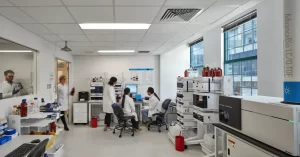
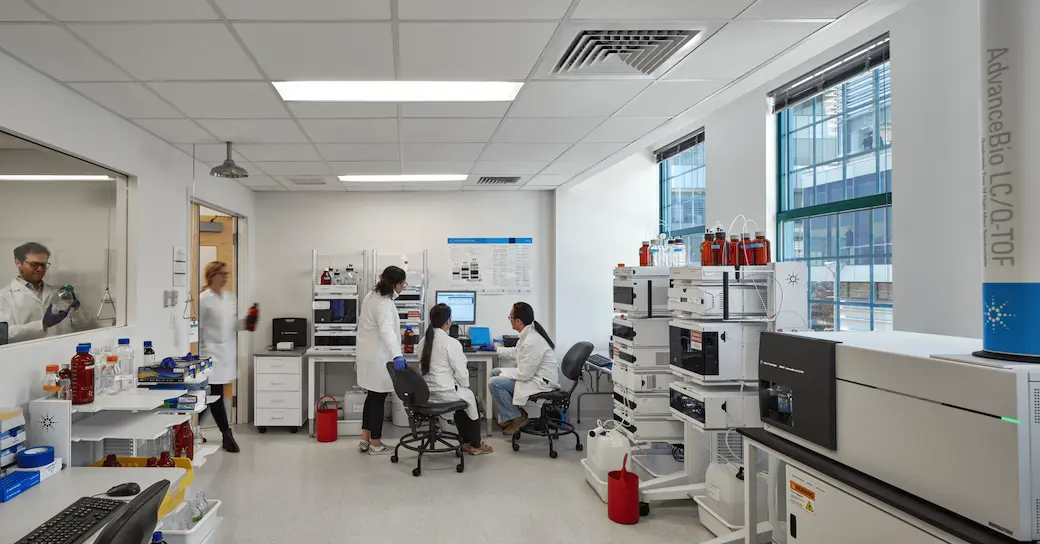
Laboratory programmes provide practical experience in an established scientific research environment. Students may learn experimental techniques, analyse biological samples, work with research teams, and present their findings.
The Rockefeller University Summer Science Research Program is one example. Its 2027 programme runs from 21 June to 5 August and provides seven weeks of mentored laboratory research for eligible high school juniors and seniors.
This type of opportunity is particularly relevant to students seeking an immersive laboratory experience. However, the age requirements, location, and full-time schedule may limit accessibility for some applicants.
CCIR offers an alternative route for students who want to pursue an independent research project with a professor while retaining the flexibility of an online programme. Eligible students can also explore its laboratory facilities in Boston and Silicon Valley for suitable experimental work.
Online medical research programmes
Online medical research programmes allow students to work remotely with academic mentors. Projects may involve analysing existing datasets, reviewing scientific literature, developing computational models, or investigating biological questions using published research.
CCIR Academy offers two principal programme formats for this kind of work: the Cambridge Future Scholar Research Programme and the 1-on-1 Research Mentorship.
The Cambridge Future Scholar Research Programme is a 13-week, small-group programme taught by current faculty members from leading universities, including Oxford and Cambridge (Oxbridge), as well as Ivy League institutions such as Harvard, Yale and Princeton. Each course brings together just two to five students, combining seven weeks of lectures and research seminars with six weeks of independent research.
Students receive a weekly one-hour session with their professor and a weekly one-hour session with a teaching assistant. This structure provides academic instruction alongside dedicated time to develop a research project. The course is designed to introduce advanced subject knowledge while preparing students to undertake independent research.
The 1-on-1 Research Mentorship Programme provides an individualised alternative. Each student works directly with one professor on a research project tailored to their interests. The programme typically lasts seven to 14 weeks and includes 14 one-hour sessions with a professor, with scheduling and meeting frequency arranged around the student’s needs.
Both programmes connect students with current teaching faculty from institutions including Cambridge, Oxford, Harvard, MIT, Yale, Princeton, and Stanford, depending on the course and mentor available.
Independent research with a professor
Students with a particular medical interest can develop it into an academic project through independent research mentorship. With guidance from an experienced researcher, they learn to define a research question and build an evidence-based investigation.
CCIR’s professor-led model pairs students with academics whose expertise matches their interests. Its selective admissions process includes faculty review of shortlisted applications, with professors making the final admission decision for their courses. Applicants may also be interviewed.
At the end of either CCIR Academy programme, students work towards an independent medical paper, generally between 3,000 and 6,000 words. The final project gives students a substantial piece of academic work that reflects their own research and analysis.
How Can High School Students Conduct Medical Research Without Laboratory Access?
High school students can conduct meaningful medical research without laboratory access. Many projects use published scientific literature, existing medical datasets, or computational methods to investigate disease and treatment.
For example, students can analyse genomic data to study gene expression. Others might use machine learning to identify patterns in medical images. A meta-analysis can also compare findings from multiple studies to evaluate emerging cancer treatments.
Explore Medical Research Through Academic Mentorship
CCIR Academy helps students develop research projects through professor-led academic mentorship. Students first build a foundation in their chosen discipline. They then develop an independent research question with guidance from their mentor.
Mentors help students select an appropriate methodology, including approaches that do not require laboratory experiments. In addition, CCIR’s academic team helps students access relevant journal articles, research papers, and e-books.
Ethical considerations also matter. For projects involving human participants, CCIR has an independent Ethics Review Committee that reviews research proposals.
When Is Laboratory Access Necessary?
Some research questions require experimental work. In these cases, students can explore the facilities available through CCIR Lab.
The professional Biosafety Level 2 facility near the MIT campus in Boston supports eligible CCIR researchers. CCIR also has laboratory facilities in Silicon Valley. PhD-level laboratory managers supervise on-site research.
Eligible students do not pay an additional laboratory access fee, although materials may incur extra costs. Researchers must also obtain the appropriate review and approval before conducting proposed experiments.
Laboratory access is therefore not essential for every medical research project. Students can discuss their interests with a CCIR mentor to identify an appropriate research method, whether that involves analysing existing evidence or conducting approved experiments.
How to Choose the Right Medical Research Programme
The subject area is only one consideration when comparing high school medical research programmes. Supervision, research expectations, academic support, and the final output can influence the quality of the experience.
Demonstrate your readiness for academic research
Medical research spans many specialised fields, from molecular biology and gene regulation to biomedical engineering and medical imaging. Students can strengthen their applications by showing a clear interest in their chosen field and explaining the questions they hope to explore.
CCIR partners with faculty from leading UK and US universities who guide students through advanced research. Reviewing course descriptions and faculty biographies can help students identify topics that genuinely interest them and communicate their academic goals in their applications. Demonstrating curiosity, a willingness to learn and a clear motivation for research can help students show potential mentors why they are ready to take on the challenges of independent academic work.
Make the most of the research support available
A strong research outcome depends on more than a student’s initial idea. It also requires consistent effort, openness to feedback and a willingness to refine the work throughout the research process.
At CCIR Academy, students develop independent research papers under professor supervision, with additional support from the wider academic team. An academic coordinator helps guide the process, while the writing centre, staffed by Oxbridge students and alumni, provides further assistance with academic writing. CCIR’s journal publishing team also advises students on identifying suitable journals and conferences.
Students can make the most of these resources by seeking feedback early, revising their work carefully and taking an active role in developing their research. This proactive approach can help them strengthen their papers and prepare their findings for potential publication or presentation.
Consider the wider academic opportunities
A research programme can provide additional opportunities to engage with academic work after the main teaching period.
For example, at CCIR, one standout opportunity is the CCIR Student Research Symposium. Selected current and former students can apply to present their research to an academic audience.
Previous symposium speakers have included Nobel laureates such as:
- Dr David Baltimore – Awarded the 1975 Nobel Prize in Physiology or Medicine for discoveries about the interaction between tumour viruses and the genetic material of cells.
- Dr Thomas R. Cech – Received the 1989 Nobel Prize in Chemistry for discovering the catalytic properties of RNA.
- Sir Richard J. Roberts – Awarded the 1993 Nobel Prize in Physiology or Medicine for the discovery of split genes.
- Dr Aaron Ciechanover – Awarded the 2004 Nobel Prize in Chemistry for discovering ubiquitin-mediated protein degradation.
- Dr Robert Lefkowitz – Received the 2012 Nobel Prize in Chemistry for discoveries that revealed how G-protein-coupled receptors work.
Students also receive a signed academic evaluation report from their mentor and may request a tailored letter of recommendation. CCIR provides ongoing guidance on academic journal publication, while its global alumni network offers opportunities to maintain connections beyond the programme.
For students considering a future in medical research, these opportunities can help build confidence in presenting academic work and provide valuable exposure to the wider research community.
Look at examples of student research
Previous student projects can help you understand the scope of research that high school students can undertake with suitable academic guidance.
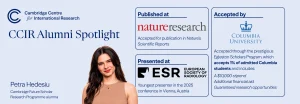
One example is CCIR alumna Rachel Lou, who investigated RNA-based therapeutics and their potential applications in cancer immunotherapy. Her project examined developments in RNA technologies, including their use in COVID-19 vaccines and their potential for future cancer treatments.
Her paper was subsequently published in Research & Reviews: Medical and Clinical Oncology. Her experience conducting research with CCIR was also featured in the March 2024 issue of Nature Nanotechnology, accompanied by reflections from her mentor, Professor Markita del Carpio Landry of the University of California, Berkeley.
Rachel’s experience shows how a high school student’s interest in medicine can develop into a focused research project with an academic mentor. It also demonstrates the importance of continued support for writing and publication.
You can explore further examples through the CCIR Student Research Spotlights, which cover research across medical science, biology, computational methods, and other disciplines.
Review eligibility, cost, and scheduling
Before applying, check the programme’s age requirements, application materials, duration, fees, and available financial support.
CCIR Academy has a selective admissions process, with an overall acceptance rate below 20%. Applicants are assessed on their academic preparation and interest in their chosen subject. A strong application should explain what draws you to the research area and what you hope to investigate.
Cambridge Future Scholar Research Programme follows scheduled cohorts, whereas 1-on-1 Research Mentorship accepts applications year-round. The latter’s flexible scheduling can be useful for students balancing research with school and other commitments.
Both programmes charge tuition. CCIR automatically considers applicants for available merit-based scholarships, and need-based financial aid may also be available to eligible students.
Frequently Asked Questions
What are the best medical research programmes for high school students?
The best programme depends on the research you want to conduct and the type of supervision you need. Laboratory placements suit students seeking experimental experience, while professor-led programmes can provide a route into independent research. CCIR Academy offers research courses in areas such as computational genetics, regenerative neurobiology, genomics, and rare diseases, with students working towards an independent research paper.
Can high school students conduct medical research online?
Yes. Many medical research questions can be investigated using scientific literature, public datasets, computational methods, and statistical analysis. CCIR Academy’s online programmes allow students to work with professors on independent projects without relocating. Students whose projects require experiments can also explore access to CCIR’s laboratory facilities in Boston and Silicon Valley.
Are there free medical research programmes for high school students?
Some university programmes offer funded research placements, while others charge tuition. Even when a programme is free, students may need to cover travel, accommodation, or other expenses. CCIR Academy offers merit scholarships and need-based financial aid under its admissions policies.
Do I need previous medical research experience to apply?
Previous research experience is not always required. Requirements vary by programme, and some opportunities expect applicants to demonstrate particular scientific knowledge or technical skills. CCIR evaluates applicants’ academic preparation and interest in their chosen field. Its programmes provide academic guidance to help students develop research skills as they work on their projects.
Can high school students publish medical research?
Yes. High school students can publish research when their work meets the standards of an appropriate journal or conference. The outcome depends on the research quality, peer-review process, and publication requirements. Many CCIR students have also had their research accepted by prestigious academic journals and conferences, showing that high school research can contribute to broader scientific discussions.
What is the difference between medical research and pre-med programmes?
Pre-med programmes generally introduce students to medicine and healthcare careers, or to preparation for further study. Medical research programmes focus on investigating scientific or healthcare questions using research methods.
CCIR Academy’s programmes focus on developing independent research projects, allowing students to examine a specialised question and communicate their findings in an academic paper. For students considering medical school, research experience at CCIR provides valuable preparation by teaching them to critically evaluate scientific evidence and understand how medical knowledge advances.
Explore Medical Research with CCIR Academy
For students who want to explore medical science beyond the school curriculum, CCIR Academy offers a structured path to independent research under the guidance of professors.
The Cambridge Future Scholar Research Programme combines advanced subject teaching with small-group research, while the 1-on-1 Research Mentorship provides an individualised curriculum built around a student’s interests. Both formats connect students with current university faculty and support them in developing an independent research paper.
Students can explore research areas ranging from genetics and drug discovery to neuroscience, genomics, and rare diseases. Academic writing support and publication guidance help them develop their work beyond the initial research process, while students can explore access to laboratories for projects requiring experimental work.
Visit CCIR Academy to review the available research courses, compare programme formats, and learn about the admissions process.
Ready to Start Your Medical Research Journey?
Whether you’re interested in genetics, drug discovery, neuroscience, rare diseases, or biomedical engineering, you can explore these fields through an original research project with CCIR Academy. Work with professor mentors from leading universities to investigate a focused research question and develop your academic research skills.
Download the CCIR Research Programme Prospectus to explore our 170+ research areas, discover professor mentors from leading universities, compare our research programmes, review student outcomes, and learn about the application process.