By Andrew L.
CCIR Alumni; accepted to Columbia, Cornell, Duke, NYU, UC Berkeley, and UPenn
When I was in high school, I told my counsellor that I wanted to apply to Ivy League universities. She encouraged me to explore research because it could demonstrate both academic ability and intellectual curiosity. She also told me that publishing a paper or receiving a strong recommendation could help strengthen my college applications.
At the time, there were already quite a few research programmes available, but choosing between them was not easy. My goal was pretty simple: I wanted to work on a project I was genuinely passionate about, ideally have the chance to publish my work, and choose a programme with a strong reputation that could also support my college applications.
With these goals in mind, I asked myself a few questions when choosing a high school research programme:
-
- How selective and prestigious is the programme?
-
- Does the programme fit my research interests?
-
- What kind of experience am I looking for?
-
- How much time can I commit?
-
- What do I hope to accomplish by the end?
A well-regarded programme can add weight to your college application, but I also wanted to make sure the programme matched my interests. I wanted to do something more interdisciplinary, so I did not want to choose a programme focused on only one narrow research area.
I think these are useful guiding questions for any high school student considering research. Once you know what matters most to you, narrowing down your options becomes much easier.
Prestigious vs. Accessible Research Programs for High School Students: Which Is Right for You?
One of the first things I noticed was how different the admissions processes could be. In general, the more prestigious the programme, the more selective the process, often requiring stronger academics, essays, recommendations, or interviews.
I found it helpful to group programmes into three broad categories.
Most Prestigious High School Research Programs
These are highly selective programmes with limited spaces and competitive applications. They can be a great option if you already have strong academic preparation and a clear research interest, but they are not easy to get into.
That was the kind of programme I was aiming for because I really wanted to challenge myself.
Competitive High School Research Programs
These programmes can still offer rigorous research experiences and attract motivated students, while giving you more options outside of the most selective programmes.
They can be a good choice if you want meaningful research experience but are not yet ready to apply to the most competitive programmes.
Accessible High School Research Programs
These can be useful if you are newer to research, are still exploring your interests, or do not yet have a long list of academic or extracurricular achievements.
I did programmes in this category in Grades 8–9, which really helped me build a strong foundation. Without them, I probably would not have been able to get into CCIR.
Most Prestigious High School Research Programs
These programmes have rigorous admissions processes designed to identify top applicants, and they typically have very limited cohort sizes. For these programmes, getting accepted is already a major achievement because it shows that you stood out among some of the strongest high school applicants.
These are some of the programmes I came across while looking at highly selective research opportunities:
CCIR Academy | 13–14 weeks
Research areas span STEM, humanities, and social sciences, with a strong emphasis on interdisciplinary research.
This was one of the things that appealed to me about CCIR because I wanted the flexibility to explore research beyond one very specific subject area. The programme also has a longer duration than most other research programmes, which gave me enough time to develop a more advanced research project and achieve a stronger final outcome.
RSI | 6 weeks
An intensive MIT-based programme focused on mathematics, science, and engineering, combining classes with individually mentored research.
It is particularly suited to students who want a very intensive academic and research experience.
Simons Summer Research Program | 6 weeks
Students join faculty research groups at Stony Brook, primarily in STEM fields.
BU RISE | 6 weeks
A highly intensive laboratory experience, with students spending roughly 40 hours per week conducting research.
I was accepted to this programme, but due to my schedule, I turned down the offer.
UCSC SIP | Approximately 10 weeks
Offers closely mentored research across a broad range of STEM fields.
Stanford SIMR | 8 weeks
Best suited for students specifically interested in biomedical research.
Rockefeller SSRP | 7 weeks
Focuses on hands-on laboratory research in a university research environment.
What stood out to me when comparing programmes like these was that they do not all offer the same kind of research experience, even though they are all excellent options. Some are much more focused on laboratory work or specific subject areas.
For me, though, I had very broad research interests and really wanted to connect different fields and do something interdisciplinary. That was ultimately why I chose CCIR.
If you already know your research area, you may want to prioritise programmes that specialise in that field.
Competitive High School Research Programs
These are some of the programmes my school counsellor suggested to students who were not quite ready for the most competitive options yet.
UT Austin High School Research Academy | 5 weeks
Students work in active university labs in fields such as biology, chemistry, neuroscience, genetics, environmental science, and data analytics.
UMass Amherst Research Intensives | 6 weeks
A hands-on programme where students work alongside faculty, graduate students, and undergraduate researchers in university labs.
Hofstra Summer Science Research Program | 4 weeks
Offers research opportunities across biology, chemistry, psychology, computer science, engineering, mathematics, and other fields.
Tufts Summer Research Experience | 6 weeks
Provides students with an opportunity to explore academic research in a university setting with structured mentorship.
These programmes may still require a transcript, application, and personal statement, but they can be a good option if you want to try research without the pressure of applying to a highly competitive programme.
Accessible High School Research Programs
If you are new to research or still in Grade 8 or 9, you may not yet have the subject knowledge or research skills needed for a prestigious or highly competitive high school research programme.
At this stage, you could consider:
-
- School research clubs or teacher-led projects
-
- Pre-college courses at universities or local community colleges
-
- Local science fairs and research competitions
These opportunities are normally open to everyone, as long as there are still places available.
Before applying to CCIR, I took courses at JHU and had been part of my school’s student research club since Grade 8. Through the research club, I worked on several data science and environmental science projects, and one of them even won fifth prize at a science fair.
Looking back, those early experiences gave me the confidence and foundation to apply to a prestigious high school research programme like CCIR and BU RISE. More importantly, they helped me discover what I was genuinely curious about and what kind of research I wanted to pursue.
How to Find the Right Research Mentor and Publish a Research Paper in High School
Once you have narrowed down a few programmes that match your research interests, the next thing I would look at is mentorship.
When I was comparing programmes, I initially focused a lot on the university names associated with them. But after looking more closely at the different options, the more useful question became: Who will I actually be working with?
Personally, I would prefer to work directly with a professor because I want to understand how research works in a real academic setting.
So when looking at a programme, try to find out:
-
- Who will be my main mentor?
-
- What is their academic or research background?
-
- How often will I meet with them?
-
- Will I be working independently or as part of a research group?
-
- How much freedom will I have to develop my own research question?
CCIR
Mentorship: Students work with professors and teaching faculty members from universities such as Oxford, Cambridge, and Ivy League institutions.
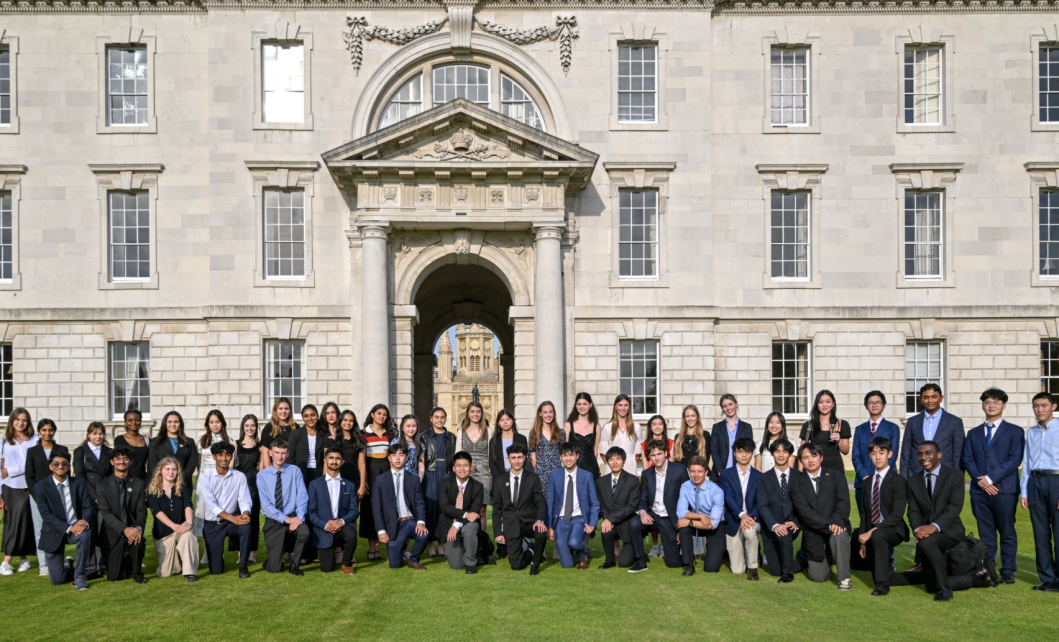
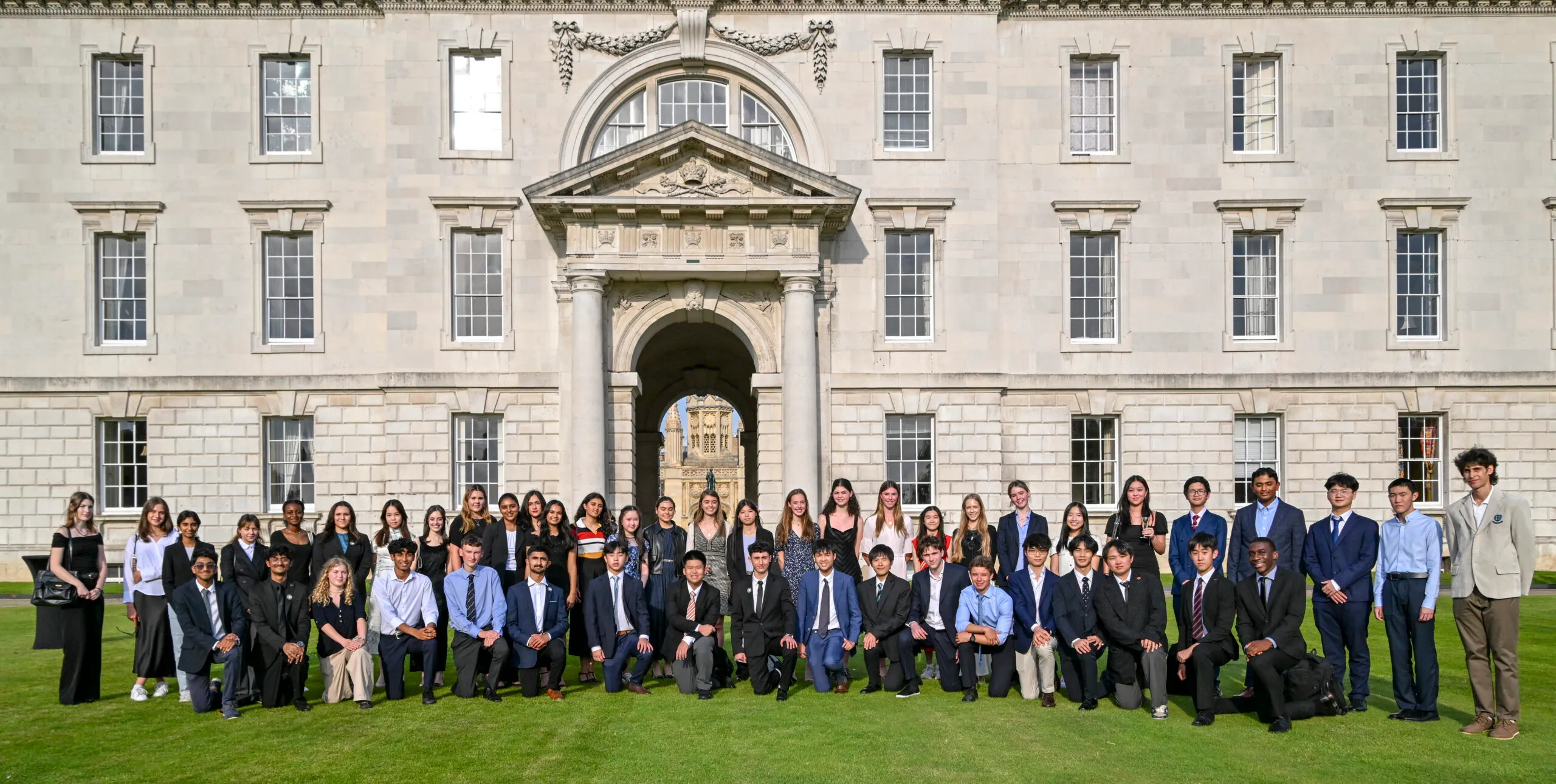
Presentation opportunities: Annual CCIR Research Symposium at King’s College, University of Cambridge.
Publication support: CCIR provides guidance throughout the research and publication process, from developing the paper to identifying suitable journals and conferences. I was able to publish my paper at an IEEE conference with guidance from CCIR’s academic team.
RSI
Mentorship: Students work with faculty members, researchers, postdoctoral fellows, or graduate students on original research projects.
Presentation opportunities: The programme emphasises both research writing and the presentation of students’ final projects.
Publication support: It does not mention any formal publication support. Students would likely need to pursue publication independently after the programme.
Simons Summer Research Program
Mentorship: Students work within established Stony Brook University research groups under the guidance of faculty and other researchers.
Presentation opportunities: Students complete a final research presentation at the end of the programme.
Publication support: It does not mention any formal publication support. Students would likely need to pursue publication independently after the programme.
BU RISE
Mentorship: Students conduct research under the supervision of faculty members, postdoctoral researchers, or graduate students.
Presentation opportunities: Students present their research at the RISE Poster Symposium.
Publication support: It does not mention any formal publication support. Students would likely need to pursue publication independently after the programme.
UMass Amherst Research Intensives
Mentorship: Students work alongside university faculty and graduate researchers in research labs.
Presentation opportunities: The programme focuses on hands-on research and concludes with a final presentation.
Publication support: It does not mention any formal publication support. Students would likely need to pursue publication independently after the programme.
Tufts Summer Research Experience
Mentorship: Students conduct research with university-based faculty and research mentors.
Presentation opportunities: Students present their findings at a final poster symposium.
Publication support: It does not mention any formal publication support. Students would likely need to pursue publication independently after the programme.
Scripps Research High School Internship
Mentorship: Students are mentored by a scientist in the laboratory, gaining hands-on experience with biomedical research.
Presentation opportunities: Students present their work at the poster session.
Publication support: It does not mention any formal publication support. Students would likely need to pursue publication independently after the programme.
UCSF High School Intern Program
Mentorship: Students are matched with a scientist mentor for hands-on research experience.
Presentation opportunities: Students formally present their work at the conclusion of the programme.
Publication support: It does not mention any formal publication support. Students would likely need to pursue publication independently after the programme.
Should You Choose an Online, In-Person, or Hybrid Research Programme?
The format of a research programme matters, especially if you already have other commitments.
I found online research, or a hybrid programme, more appealing because I could fit it around my other commitments. Since my freshman year of high school, I have often juggled school clubs, internships, maintaining my GPA, debate tournaments, and volunteer work. My summers can be even more hectic because I tend to overcommit myself!
However, if the social side of the experience means a lot to you, an in-person programme may be a better fit.
For me, it really comes down to your learning style and how much flexibility you want.
Just keep in mind that in-person programmes usually require more planning ahead, including flights, housing, living expenses, and possibly a visa for international students. I would definitely factor those into your decision when comparing programmes.
In-Person High School Research Programs
If you want an on-campus research experience, some options include:
-
- BU RISE – Boston, Massachusetts
-
- Simons Summer Research Program – Stony Brook, New York
-
- Stanford SIMR – Stanford, California
-
- RSI – Cambridge, Massachusetts
-
- Hofstra Summer Science Research Program – Hempstead, New York
-
- UMass Amherst Research Intensives – Amherst, Massachusetts
-
- UCSC Science Internship Program – Santa Cruz, California
These can be a great fit if you want to spend your summer fully immersed in a campus environment. You also get much more of the social side of the experience, which can make it easier to meet new people and make good friends along the way.
Online and Hybrid Research Programmes for High School Students
If flexibility matters more to you, online or hybrid programmes may be a better fit.
I personally liked CCIR because it was a little different from a fully online programme. It offered lab opportunities at MIT and Stanford, as well as the chance to present research at the University of Cambridge over the summer.
For me, that gave me the flexibility of online research without giving up the in-person experience completely.
CCIR 1-on-1 Research Mentorship & Future Scholar Research Program
Format: Hybrid
A primarily online research programme where students work with professors from Oxford, Cambridge, and Ivy League universities, with additional lab opportunities at MIT and Stanford and an annual research symposium at King’s College, Cambridge.
I attended the symposium myself. They invited Nobel laureates to speak, along with professors from Oxford and Cambridge. Everyone I met was incredibly kind and approachable. Overall, it was such a memorable experience!
NC State Online Research Academy
Format: Online only
A virtual research programme in which high school students complete a mentored research project under the guidance of NC State faculty.
BEAM Virtual
Format: Online only
A virtual research and innovation programme for students interested in exploring biomedical engineering, neuroscience, medicine, and related fields.
Final Thoughts: Finding the Right High School Research Program for Yourself
I would say finding the right high school research programme really comes down to figuring out what matters most to you.
The first questions I would ask myself are:
-
- Do I care a lot about prestige?
-
- What kind of research do I actually want to do?
If you are very STEM-focused and want to attend a prestigious high school research programme, programmes like CCIR, RSI, RISE, and many of the other highly selective programmes I mentioned earlier can all be great options.
But if you are interested in something more interdisciplinary, or want to explore areas in the social sciences and humanities, such as through a project combining linguistics and machine learning, CCIR may give you more flexibility because it covers a much broader range of research areas.
From my own experience, knowing what you genuinely want is probably the most important starting point. After that, you can think about the details: who you want to work with, whether you prefer in-person or online research, how long you want the programme to be, and what kind of experience actually fits your schedule.
I also made a diagram below to summarise my thought process when choosing a research programme.
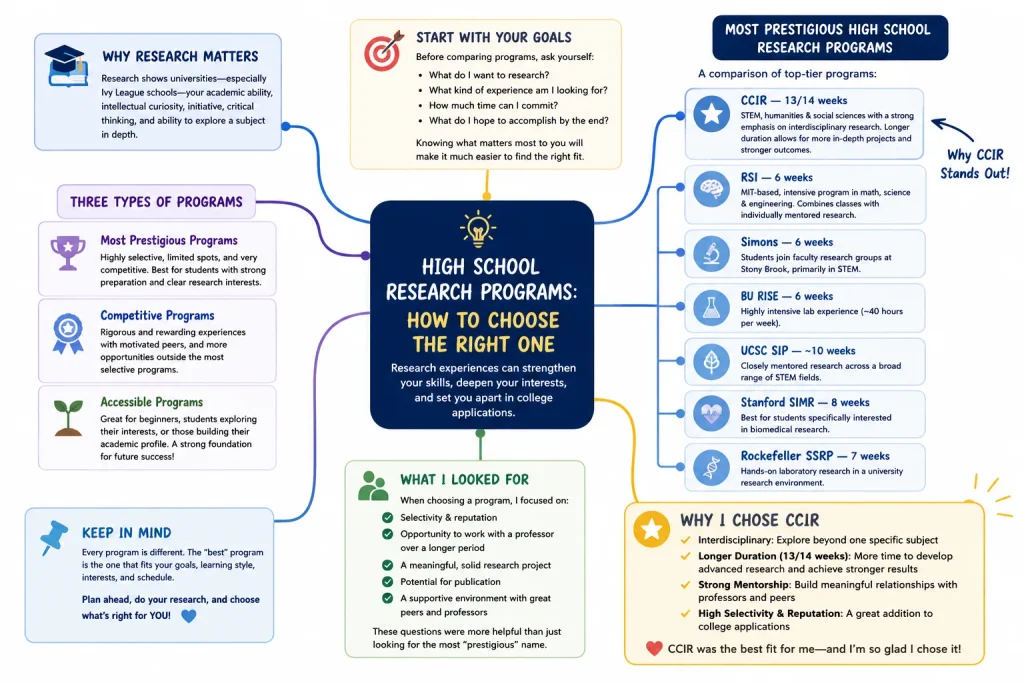
I made this diagram so you can see my thought process and get a quick summary of this blog post.
But no matter which programme you choose, I think what matters most is how much of yourself you put into the research.
When I was at CCIR, I found myself thinking about my project all the time. Even sitting in the back seat of my mum’s car, I would suddenly have an idea or keep turning a problem over in my head. I also talked about my research constantly with my professor and close friends, and those conversations often helped me see things in a completely new way.
At the end of the day, getting into a good programme gives you an opportunity, but what you actually do with that opportunity matters much more.