
New York City’s education department has blocked access to ChatGPT, an AI-powered chatbot that generates writing responses to prompts. The department cited concerns about negative impacts on student learning, accuracy of content, and potential encouragement of cheating and plagiarism.
The decision could influence other school districts across the United States. ChatGPT can generate convincing responses. However, it can also provide inaccurate information or offensive language.
Some educators see the program as a threat to critical thinking and problem-solving skills, while others argue it could serve as a useful tool in certain situations.
Generative AI has sparked debate in academia. Is it a helpful tool or a shortcut? AI chatbots can support students and teachers. However, some worry that these tools may reduce the effort needed to master a subject.
How ChatGPT Is Changing Education
The implications of this technology go beyond academia, raising questions about the future of human creativity and culture. It forces us to consider what it means for academic work, college applications, and our understanding of human culture more broadly.
Moreover, the rapid acceleration of AI chatbot technology is already making waves in academia, with the response from higher education predicted to take up to a decade.
The debate around AI chatbots in academia has only just begun, and as we look to the future, it is clear that it will continue to be a topic of discussion for years to come.
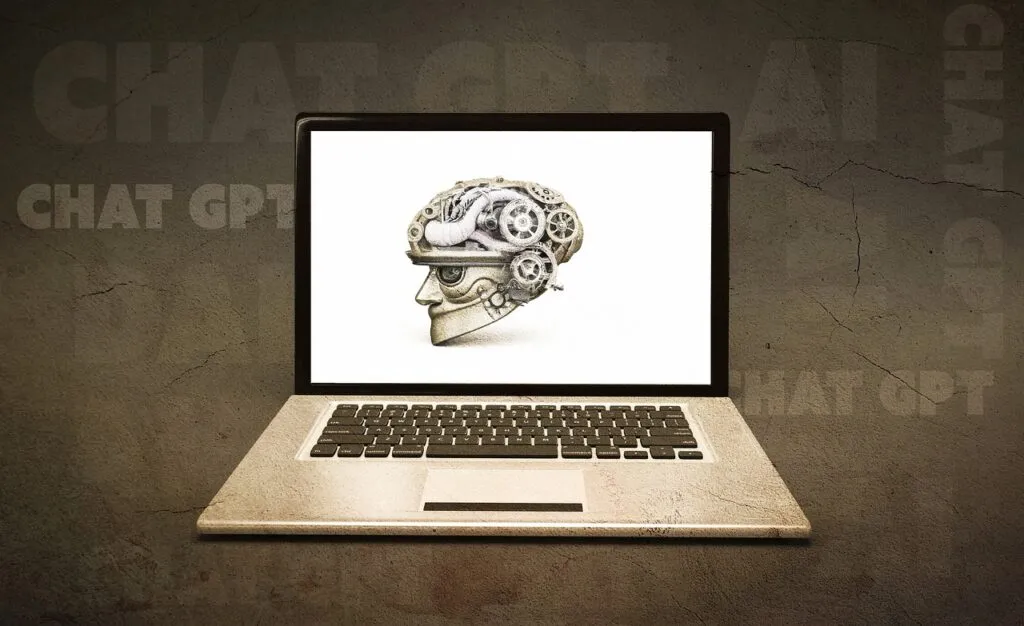
ChatGPT’s Impact on Academia
The impact of ChatGPT on academia has been significant, particularly in the realm of research and mentorship programs. Institutions like Cambridge Research have embraced the technology to revolutionize the way students and researchers interact with information.
ChatGPT helps researchers access information quickly. It also answers questions and supports initial exploration. In research mentorship, it can help students understand unfamiliar topics. However, students should verify its responses with reliable sources.
ChatGPT answers questions in a conversational way. This can make learning more engaging for students. Some researchers have also reported better engagement and understanding during mentorship. However, these benefits depend on how students use the tool.
ChatGPT can help researchers explore complex problems. It can analyse data and offer insights quickly. Researchers must still check its findings carefully before using them.
By using ChatGPT, researchers can process data at a much faster rate, allowing them to make critical decisions more quickly.
ChatGPT has influenced research and mentorship. It can provide personalised responses and help students explore complex questions. These features may support learning. However, researchers must evaluate the information before relying on it.
As institutions continue to embrace this technology, we can expect to see even more innovation and progress in the field of academic research.
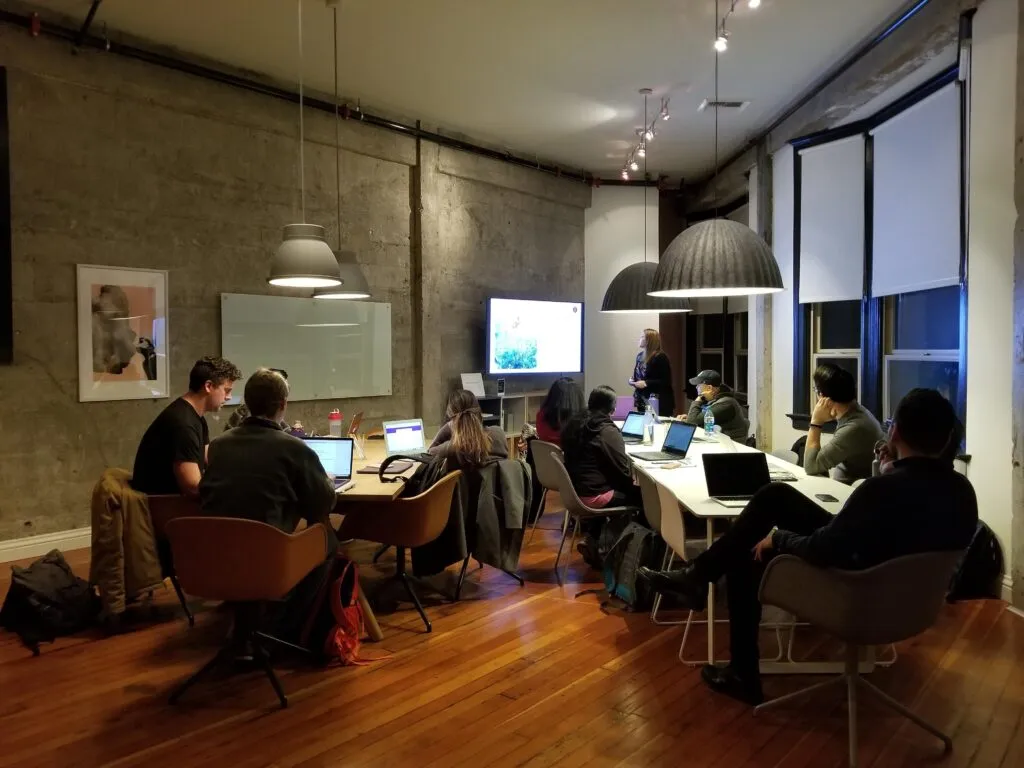
The Risks of ChatGPT in Academic Research
While ChatGPT has undoubtedly had a positive impact on academia, it’s important to consider some potential drawbacks and criticisms of the technology.
One criticism of ChatGPT is that it can reinforce biases in the data it uses to generate responses. This is because the language model is trained on a large dataset, which may have inherent biases. If the dataset is not carefully curated, these biases can be propagated into the model’s responses.
As a result, some researchers have raised concerns about the accuracy and fairness of ChatGPT-generated responses.
Another issue with ChatGPT is that it may lead to a loss of critical thinking skills. Because the technology can provide quick answers to complex questions, some students and researchers may rely too heavily on ChatGPT and not spend enough time critically analyzing the information they receive.
This can be especially problematic in fields that require a high degree of independent thinking and creativity.
Finally, some experts have raised concerns about the potential misuse of ChatGPT in academic contexts. For example, the technology could be used to generate fake data or to write fraudulent research papers.
This could have serious consequences for academic integrity and could undermine the credibility of the entire field.
In summary, while ChatGPT has undoubtedly had a positive impact on academia, it’s important to consider some potential drawbacks and criticisms of the technology.
These include the potential for bias in the data used to train the language model, the risk of a loss of critical thinking skills, and the potential for misuse in academic contexts. By considering these issues, we can work to ensure that ChatGPT is used in a responsible and ethical manner to advance academic research and learning.
ChatGPT’s Impact on College Admissions
The Benefits of ChatGPT in College Admissions
The emergence of ChatGPT in the college admissions process has had a positive impact on both students and admissions officers alike. One significant benefit is that it allows for a more streamlined and efficient application process.
ChatGPT can help students brainstorm ideas and organise their thoughts. This may leave more time for other application tasks. However, students should follow each institution’s rules on AI use. Their essays should also reflect their own experiences and writing.
Admissions officers, on the other hand, can quickly and easily evaluate the quality of essays without having to sift through a sea of mediocre submissions.
ChatGPT may help students who cannot afford tutoring or essay editing. However, access to AI tools alone does not guarantee equal opportunities. Students still need to develop their own writing skills and follow application rules.
This can help to reduce the impact of socioeconomic status on the admissions process and ensure that all students are judged based on the merits of their application.

In addition to streamlining the application process and promoting greater equity, ChatGPT can also open up new opportunities for research mentorship programs at prestigious universities such as Cambridge.
Some students may use ChatGPT to explore ideas for their applications. However, AI-generated essays do not guarantee admission to research programmes. Students should follow each institution’s AI policy and present their own abilities honestly.
Overall, the positive impact of ChatGPT on the college admissions process is clear. By making the application process more efficient, equitable, and accessible, it has the potential to unlock new opportunities for students and pave the way for a more diverse and inclusive academic community.
The Risks of ChatGPT in College Admissions
While there are benefits to using ChatGPT in college admissions, there are also valid concerns about the negative impact it could have on the process.
One such concern is that the use of AI-generated essays could perpetuate existing inequalities in the admissions process, rather than level the playing field.
For example, students who come from backgrounds with more resources, such as access to private tutors or writing coaches, may be more likely to have the skills and tools to take advantage of ChatGPT.
Meanwhile, students from less privileged backgrounds may be at a disadvantage, further widening the opportunity gap.
Furthermore, the use of ChatGPT could undermine the value of writing skills in higher education. Writing is an essential skill for college students, and the personal essay is a way to showcase one’s writing abilities.
Using AI-generated essays diminishes the value of writing skills and may result in a generation of graduates who lack the ability to write effectively.
Moreover, the use of AI-generated essays also raises questions about academic integrity and ethics. While some may argue that using AI to generate essays is not cheating, it still raises concerns about plagiarism and authenticity.
If students are submitting essays that are not entirely their own work, it undermines the integrity of the admissions process.
Lastly, the use of ChatGPT in college admissions could also have unintended consequences on the quality of education. If colleges and universities rely too heavily on AI-generated essays, they may be less likely to provide meaningful writing instruction and mentorship to their students.
This could result in a less well-rounded educational experience for students and limit opportunities for growth and development.
In conclusion, while there may be some potential benefits to using ChatGPT in college admissions, there are also valid concerns about the negative impact it could have on the admissions process, writing skills, academic integrity, and education quality.
Therefore, it is essential to consider all the implications carefully before implementing such technologies in higher education.
Conclusions
AI chatbots have sparked debate about academic honesty. ChatGPT can support learning and research. However, it also raises concerns about accuracy, bias, and overreliance. Students and educators must consider both its benefits and limitations.
ChatGPT can help researchers explore complex problems. It can also provide personalised responses. These features may support student learning and research. However, users should verify its information and avoid relying on it completely.
However, there are potential drawbacks and criticisms, including the potential for biases in the data used to train the language model, the risk of a loss of critical thinking skills, and the potential for misuse in academic contexts.
Despite the positive impact of ChatGPT, the debate around AI chatbots in academia is ongoing and must continue to be discussed to ensure their ethical and responsible use.
Consider Applying to the CCIR Academy — the Most Academically Rigorous Online Research Program
If you wish to work with a professor-level mentor from prestigious universities like Cambridge, Harvard, Princeton, or similar, to guide your research project that showcases the depth of your academic passion, the CCIR Academy might be the ideal choice.
The CCIR Academy is known as one the most selective and rigorous online research programs globally, with nearly 80% of its past students gaining admission to the top 30 US universities.
Download our prospectus to view all the current offerings or start building your application today.