Doing a research project can strengthen a high school student’s academic profile. It shows commitment, curiosity, and the ability to explore a subject in depth. Research also gives students a chance to investigate topics they care about. Colleges and scholarship committees may value these experiences.
However, not all research opportunities offer the same benefits. This guide compares three types of high school research experiences: self-directed projects, guided research, and rigorous research mentorships.
Tier 3: Self-Directed Research Projects
A self-directed research project is often the easiest and least expensive option. Many students complete these projects for free. However, the student must manage every stage of the process.
Students choose their topics, select their methods, set deadlines, and decide whether to write a final paper. This independence can demonstrate motivation and genuine academic interest. It can also help students balance research with a busy school schedule.
Still, working alone presents challenges. Students may struggle to choose a strong topic or meet college-level academic standards. They also lack an expert who can review their work.
Publication creates additional concerns. Students need to assess the quality of journals and avoid predatory publishers. They must also consider how others will evaluate their research.
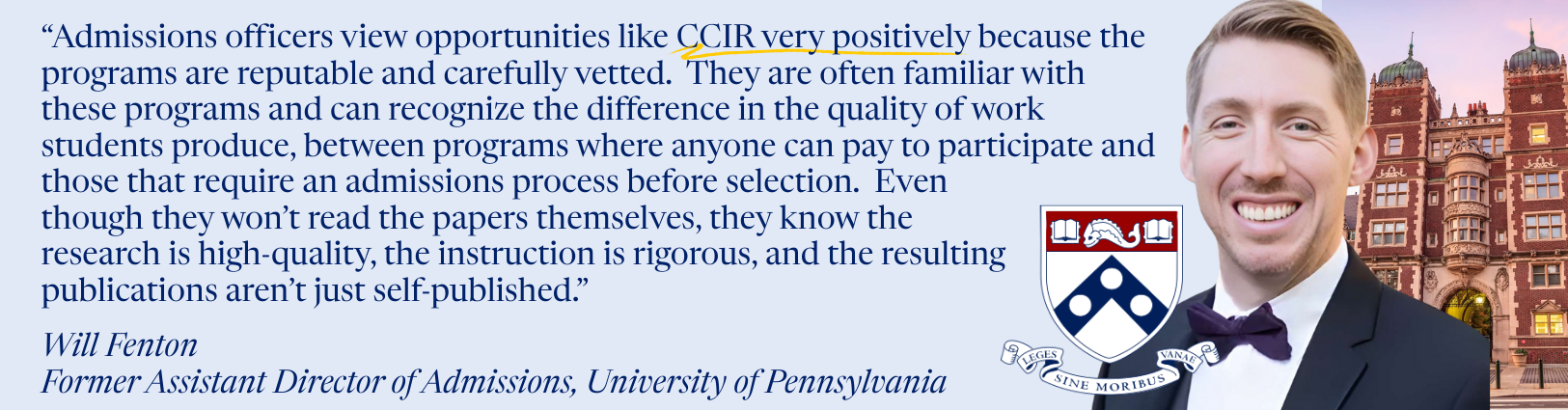
Admissions officers may appreciate the initiative behind a self-directed project. However, weak methods or limited academic depth can reduce its value. Self-publishing alone rarely demonstrates the quality of a student’s research.
Furthermore, admissions officers may not read the full paper. They might only see the project listed on a résumé or discussed in an application essay. As a result, students need to explain their work and its significance clearly.
Tier 2: Guided or Coached Research Projects
Guided research gives students support from an outside mentor. This person might be a parent, teacher, school adviser, local professor, or online coach. Some companies also connect students with graduate students or professors.
A mentor can help students refine their topics and plan their research. They may also provide feedback, explain research methods, and help students meet academic expectations.
Some students use guided projects to prepare for competitions. Examples include science fairs and DECA events. A mentor can help them improve the structure and substance of their work.
Admissions officers may view guided research more favourably than projects completed entirely alone. Expert feedback or participation in a recognised competition can strengthen the experience.
However, the mentor’s expertise and the project’s quality matter. Students should also consider how they will present their findings. A reputable publication, competition result, or thoughtful application essay can help explain what they learned.
Tier 1: Rigorous Online or In-Person Research Mentorships
Rigorous research mentorships offer a more structured academic experience. Many programmes charge tuition and connect students with faculty members or PhD researchers. Some let students develop their own topics, while others offer a set of research areas.
These programmes vary in their admission requirements and level of support. Some match students with mentors after payment. Others use a selective admissions process to assess academic curiosity and motivation.
Students may receive help choosing a topic, developing a research plan, and reviewing their progress. Depending on the programme, they may also have opportunities to prepare work for publication or present at conferences.
What Makes a Research Mentorship Valuable?
The quality of the mentorship matters as much as the programme format. Students should look for expert guidance, clear academic expectations, and meaningful feedback.
They should also check how the programme handles research outputs. Does it help students prepare work for external journals? Can participants present their findings at conferences? Are the publication and presentation opportunities clearly explained?
These questions can help students compare programmes beyond their marketing claims.
How Does CCIR Fit This Category?
CCIR offers professor-led research opportunities through small cohorts and 1-on-1 Research Mentorship. Students work closely with mentors to develop their research projects.
Depending on the programme and project, students may have opportunities to prepare their work for publication or present at conferences. CCIR also hosts an event where students can present alongside Nobel Laureates.
Students should review each programme’s structure, expectations, and available research opportunities before applying. This helps them determine whether the experience fits their interests and goals.
Comparing the Three Types of High School Research
Each research option offers different benefits. The best choice depends on a student’s goals, available resources, and need for guidance.
| Research tier | Description | Strengths | Limitations |
|---|---|---|---|
| Tier 3: Self-directed | Student manages the entire project | Encourages independence and personal interest; offers flexibility | Limited guidance; topic and methods may need expert review |
| Tier 2: Guided or coached | A mentor supports the student’s work | Provides structure, feedback, and research guidance | Quality depends on the mentor; may involve fees |
| Tier 1: Rigorous mentorship | Structured research with faculty or PhD-level mentors | Offers expert guidance and potential publication or conference opportunities | May cost more, require selective admission, and demand significant time |
Which High School Research Option Should You Choose?
All three options can help students explore academic interests. Self-directed projects offer independence, while guided projects provide additional support.
Rigorous research mentorships may suit students who want deeper academic guidance and a structured research experience. Before choosing a programme, compare its mentors, admission process, research expectations, costs, and potential outcomes.
Ultimately, the strongest choice is one that encourages genuine curiosity and helps you produce thoughtful, well-supported work. Focus on the quality of the research and what you learn from the process.
Whichever option you pick, a second opinion on your overall profile can show where your research fits. Your Ivy League Friend offers a free profile review from current students. They read your profile and say what they notice. The review is free and does not require enrolling in any paid programme.
Ready to Take Your Research Interests Further?
Turn your academic interests into an original research project with guidance from experienced professor mentors at CCIR.
Download the CCIR Research Programme Prospectus to explore our 170+ research areas, discover our Cambridge Future Scholar and 1-on-1 Research Mentorship programmes, learn about our professor mentors from leading universities, and explore programme formats, student outcomes, scholarships, and the application process.