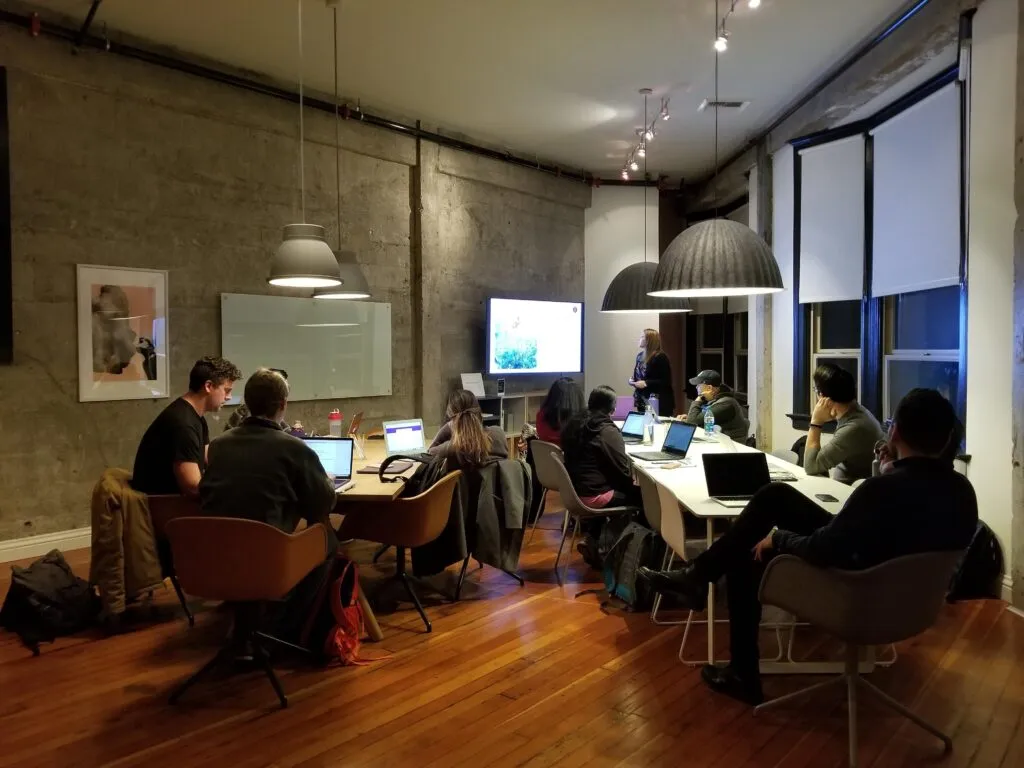
Research experience allows students to turn academic curiosity into meaningful achievements. For those aspiring to attend highly selective universities, including Ivy League institutions, Oxford and Cambridge, independent research can demonstrate intellectual ambition, academic maturity and a willingness to explore ideas beyond the classroom.
At the Cambridge Centre for International Research (CCIR), students pursue original research under the guidance of current faculty members from leading universities, including Oxford, Cambridge, Harvard, MIT, Yale, Princeton and Stanford. CCIR students have developed an impressive record of academic publications and conference presentations, gaining recognition for their original research.
One in three CCIR students has gained admission to a top 10 US university, including Ivy League institutions, Stanford and MIT. This reflects the academic ambition and achievements of the CCIR student community.
Why Does Research Experience Matter for College Applications?
Academic results demonstrate a student’s mastery of an established curriculum. However, independent research reveals their intellectual curiosity, initiative and ambition to explore subjects beyond the classroom. By investigating complex research questions and engaging with academic literature, students learn to challenge conventional thinking, evaluate evidence and develop original perspectives.
Ivy League universities and other highly selective institutions, including Oxford and Cambridge, value intellectual curiosity, academic initiative and a genuine passion for learning. Independent research can demonstrate several of these qualities:
- Intellectual curiosity: Pursuing questions beyond the school curriculum and exploring emerging ideas within a chosen field.
- Independent thinking: Formulating original research questions, challenging assumptions and evaluating different perspectives.
- Academic preparation: Developing university-level skills in critical reading, analytical thinking, scholarly research and academic writing.
- Initiative: Taking responsibility for a substantial project and seeing it through from the initial research question to the final paper.
- Subject knowledge: Building a deeper understanding of an academic field through sustained investigation and engagement with existing research.
At CCIR, students receive a formal evaluation from their professor upon completing their research. This gives admissions officers insight into their academic abilities, intellectual curiosity and readiness for university-level study.
In addition, students can request a letter of recommendation from their professor. Together, these forms of academic feedback provide evidence of what students have achieved, the depth of their interests and their commitment to further study.
How Research Experience Can Strengthen Your University Application
For students aspiring to attend Ivy League universities, Oxford, Cambridge and other highly selective institutions, research offers an opportunity to demonstrate intellectual ambition, original thinking and meaningful academic achievement.
Showcasing Passion and Intellectual Maturity
Many students express an interest in science, mathematics or the humanities in their university applications. However, admissions officers at highly selective universities also want to understand how deeply applicants have explored these interests and what they have done to pursue them.
Independent research provides tangible evidence of this commitment. For example, a student interested in environmental science might work with a CCIR professor to develop a machine learning model that predicts microplastic pollution in marine ecosystems. The project could involve more than 100 hours of work, including analysing environmental datasets and identifying pollution patterns.
This demonstrates sustained intellectual engagement beyond simply expressing an interest in environmental issues.
Standing Out Through Initiative, Creativity and Problem-Solving
In an increasingly competitive university admissions environment, initiative, creativity and problem-solving are valuable qualities. Independent research allows students to demonstrate these strengths by taking ownership of an original academic project.
Research challenges students to solve complex problems, navigate unfamiliar territory and develop creative approaches to their investigations.
For example, a student researching the influence of the 1919 Paris Peace Conference on national independence movements might examine hundreds of historical documents in multiple languages. They could compare conflicting accounts and develop an original interpretation of historical events.
Such experiences demonstrate the intellectual independence, perseverance and resourcefulness valued by leading universities.
Making Research the Centrepiece of Your Personal Statement
In a personal statement, admissions officers want to understand who you are, what inspires you, which challenges you have overcome and what you hope to achieve. Independent research can connect these elements and help you build a compelling personal narrative.
For example, a student who grew up near the coast might have witnessed plastic pollution gradually transform the beaches they loved as a child. Inspired to find solutions, they could work with a university professor at CCIR to develop a machine learning model that predicts microplastic pollution.
This turns a personal experience into a meaningful academic pursuit.
By reflecting on their research journey, students can demonstrate intellectual passion, personal growth and determination to make a meaningful contribution.
Making an Impact Through Research Publications and Academic Conferences
Research aims to advance knowledge, contribute original ideas and make a meaningful impact. For ambitious high school students, publishing their findings or presenting at academic conferences offers an opportunity to contribute to the wider scholarly community.
CCIR students have built an impressive record of academic publications. Their research has been published or accepted for publication in Nature Portfolio’s Scientific Reports, Monthly Notices of the Royal Astronomical Society, Journal of Medical Ethics, Analytical Methods, Microbiology, Dartmouth Undergraduate Journal of Science and Intersect: The Stanford Journal of Science, Technology, and Society, among other publications.
Explore their achievements through the CCIR Student Research Spotlights.
Another opportunity is the annual CCIR Student Research Symposium, hosted at King’s College, University of Cambridge. Selected students can present their original findings, exchange ideas with fellow researchers and engage with the wider academic community in one of the world’s most historic university settings.
What Makes CCIR Different From Other Research Programmes?
CCIR combines professor-led research, selective admissions, formal academic recognition and continued publication support. Together, these features create an academically ambitious environment for high-achieving students worldwide.
Research Led by Professors from Leading Universities
CCIR works exclusively with current teaching faculty from Oxford, Cambridge and nine leading US universities, including Harvard, MIT, Yale, Brown, Columbia, UC Berkeley, the University of Pennsylvania, Princeton and Stanford.
Under direct faculty guidance, students investigate emerging topics, develop original research questions and engage with university-level scholarship.
CCIR also provides access to research facilities in Boston and Silicon Valley, including a Biosafety Level 2 laboratory supervised by PhD-level specialists.
Selective Admissions and a Global Community of Exceptional Students
With an acceptance rate of approximately 15–20%, CCIR brings together academically ambitious students from around the world. Admitted students have an average GPA of 3.90/4.0 and a median SAT score of 1500.
Even before joining CCIR, these students have distinguished themselves through academic excellence, creativity, initiative and ambition. Their achievements include International Mathematical Olympiad medals, participation in NASA’s CubeSat Launch Initiative, internships at leading organisations, entrepreneurial ventures and community initiatives.
Beyond their individual accomplishments, students become part of an international community of intellectually curious peers. They challenge and inspire one another through shared academic interests.
UK-Regulated Undergraduate Academic Credits
CCIR’s Cambridge Future Scholar Research Programme and 1-on-1 Research Mentorship have received approval to award 10 UK undergraduate-level credits, equivalent to five ECTS credits or approximately 2.5 US college credits, under an Ofqual-regulated framework.
Successful students receive an official transcript and certificate. These documents provide formal recognition of their research achievements and assessed university-level study.
From Original Research to International Publications
At CCIR, the research journey can extend well beyond completing a paper. Students receive continued guidance from academic and publishing teams as they prepare manuscripts for submission to scholarly journals and international conferences.
CCIR alumni have achieved notable academic recognition. For example:
- Petra Hedesiu presented her machine learning research in medical imaging at the European Congress of Radiology 2025 in Vienna. Her paper was subsequently accepted for publication in Scientific Reports, part of Springer Nature’s Nature Portfolio.
- Rachel Lou published research on RNA-based cancer immunotherapy in Research & Reviews: Medical and Clinical Oncology. She also shared her CCIR research experience in an article featured in Nature Nanotechnology.
Students can also apply to present at the annual CCIR Student Research Symposium, hosted at King’s College, University of Cambridge. There, they can engage with fellow researchers and distinguished academics, including Nobel laureates.
Through these opportunities, CCIR supports students as they pursue their academic ambitions, contribute original ideas and take their first steps into the wider world of scholarly research.
How to Present Research Experience in Your College Application
Completing a research project is an important achievement. However, how students present their work can be equally valuable. University applications offer several opportunities to highlight research accomplishments, individual contributions and intellectual growth.
Highlighting Research Experience in the Common Application
The Common Application provides two useful places to include research achievements:
- Activities section: Describe the research topic, your individual contribution, the methods you used and your time commitment. You can also mention significant outcomes, such as conference presentations or publications.
- Honours section: Include relevant academic distinctions, such as research awards, competition placements or recognised publications. Students can list up to five academic honours.
Discussing Research in Application Essays
Personal statements and supplementary essays allow students to explore the story behind their research. They can explain what sparked their interest, describe challenges they encountered and reflect on how the experience shaped their academic ambitions.
Rather than simply listing achievements, focus on what you learned and how your research influenced your academic interests.
Submitting Research as Supplementary Material
Many highly selective universities provide opportunities for applicants to showcase academic achievements through original research papers, abstracts or other scholarly work.
The following are examples of universities that allow applicants to highlight their research:
- Harvard: Applicants can upload scholarly articles and research they primarily authored through the Applicant Portal.
- Yale: The STEM Research Supplement allows eligible applicants to submit research papers, abstracts or posters. Applicants can also invite a research mentor to provide a recommendation.
- Brown: Applicants can submit an advanced academic paper or research abstract through the Applicant Portal.
- Dartmouth: Applicants can submit a concise research abstract.
Always check each university’s current application guidance, as submission requirements and supplementary material policies may change.
Frequently Asked Questions
Does Research Experience Help with College Admissions?
Yes. Research experience can demonstrate intellectual curiosity, academic maturity and initiative—qualities valued by Ivy League and other leading universities.
At CCIR, students conduct original research with faculty from Oxford, Cambridge, Harvard and MIT. Opportunities for publication, conference presentations and professor evaluations can help students turn their academic interests into meaningful achievements for their university applications.
Can Conducting Research at CCIR Help Strengthen My Application to Top US Universities?
CCIR reports that 28.49% of its US-bound alumni attended a top 10 US university, including Ivy League institutions, Stanford and MIT. Its professor-led research programmes give students meaningful academic experiences and achievements to discuss in their university applications.
What Counts as Research Experience for College Applications?
Meaningful research experience reflects genuine intellectual curiosity, sustained commitment and the ambition to investigate original questions.
CCIR’s 13–14-week programmes challenge students to think beyond the classroom, invest substantial effort and develop their academic interests. Working alongside university professors, students turn their academic interests into substantial original research projects.
Can High School Students Publish Their Research Papers?
Yes. High school students can publish original research in academic journals when their work meets the relevant scholarly standards. CCIR students have achieved publication in internationally recognised journals across a range of disciplines.
For example, Petra Hedesiu co-authored a study published in Scientific Reports, part of Springer Nature’s Nature Portfolio. The research explored the use of AI in medical imaging.
Similarly, Darell Lien published research on DNA nanotechnology in Analytical Methods, a Royal Society of Chemistry journal.
These are just two examples of CCIR students’ academic achievements. Discover more through the CCIR Student Research Spotlights.
Does CCIR Offer Research Programmes for International Students?
Yes. CCIR welcomes academically ambitious students from around the world, creating a global community united by intellectual curiosity and academic excellence.
For eligibility and application details, visit the CCIR Academy FAQs.
Ready to Take Your Academic Interests Further?
Research experience can help you explore subjects beyond the school curriculum, develop independent thinking and demonstrate your readiness for university-level study.
CCIR Academy offers two main research pathways. The Cambridge Future Scholar Research Programme combines small-group teaching with independent research, while the 1-on-1 Research Mentorship provides individual guidance from a professor whose expertise matches your interests.
With professor mentors from leading universities, selective admissions and formal UK-regulated academic credits, CCIR offers students an opportunity to pursue university-level research while still in high school.
Download the CCIR Research Programme Prospectus to explore our 170+ research areas, discover professor mentors from leading universities, compare our research programmes, review student outcomes and learn about the application process.